Dental Crowns Los Angeles CA: Understanding the Recovery Process
Getting a dental crown is usually less dramatic than patients expect, but recovery still deserves careful attention. A crown may be routine in a busy practice, yet for the person sitting in the chair it raises very practical questions. How sore will the tooth feel? Can you eat normally the same day? What if your bite seems off, or the gum around the crown looks irritated? Those concerns are reasonable, especially when you are balancing work, traffic, family schedules, and the high expectations that often come with seeking dental care in a city like Los Angeles.
When people search for Dental Crowns Los Angeles CA, they are often thinking about appearance, cost, or speed. Recovery tends to be an afterthought until the numbness wears off and the tooth starts sending signals. The truth is that most crown recoveries are straightforward, but they are not all identical. The treated tooth, the condition underneath the crown, whether a root canal was involved, the material used, and even habits like clenching or grinding can all shape the first few days and weeks.
A good crown should protect a damaged tooth, restore function, and blend naturally with your smile. Recovery is the period where all three of those goals are tested in real life. You chew, sip coffee, brush around a tender gumline, and see whether the new crown actually feels like part of your mouth. That adjustment period matters.
What a crown does, and why recovery varies
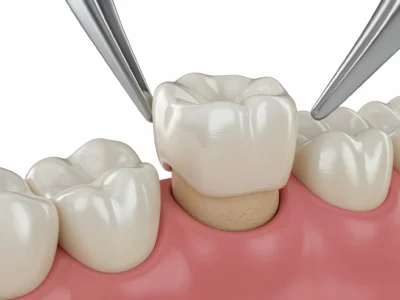
A dental crown is a custom-made covering placed over a prepared tooth. Dentists use crowns for several common reasons: to strengthen a tooth after a large filling, protect a cracked or worn tooth, restore a tooth after root canal treatment, improve the shape or color of a tooth, or support a bridge. The crown itself is only part of the story. The tooth underneath may have deep decay, old restorative work, structural loss, or inflamed pulp. That underlying condition often explains why one patient feels fine the next day while another notices tenderness for a week or two.
The crown appointment also matters. If the tooth required extensive reshaping, if the gums were already irritated, or if the area was difficult to numb, recovery can feel more noticeable. A front tooth crown may be less stressful for chewing but more stressful cosmetically, since patients see every tiny detail in the mirror. A molar crown usually takes the heavier functional load, so bite pressure becomes the main concern.
Material can influence early comfort too. Porcelain and ceramic crowns are common because they look natural. Zirconia is known for strength. Porcelain fused to metal remains useful in some cases. Most patients do not feel the material itself, but the final shape, polish, and bite relationship affect how quickly the mouth adapts.
The two-part process many patients experience
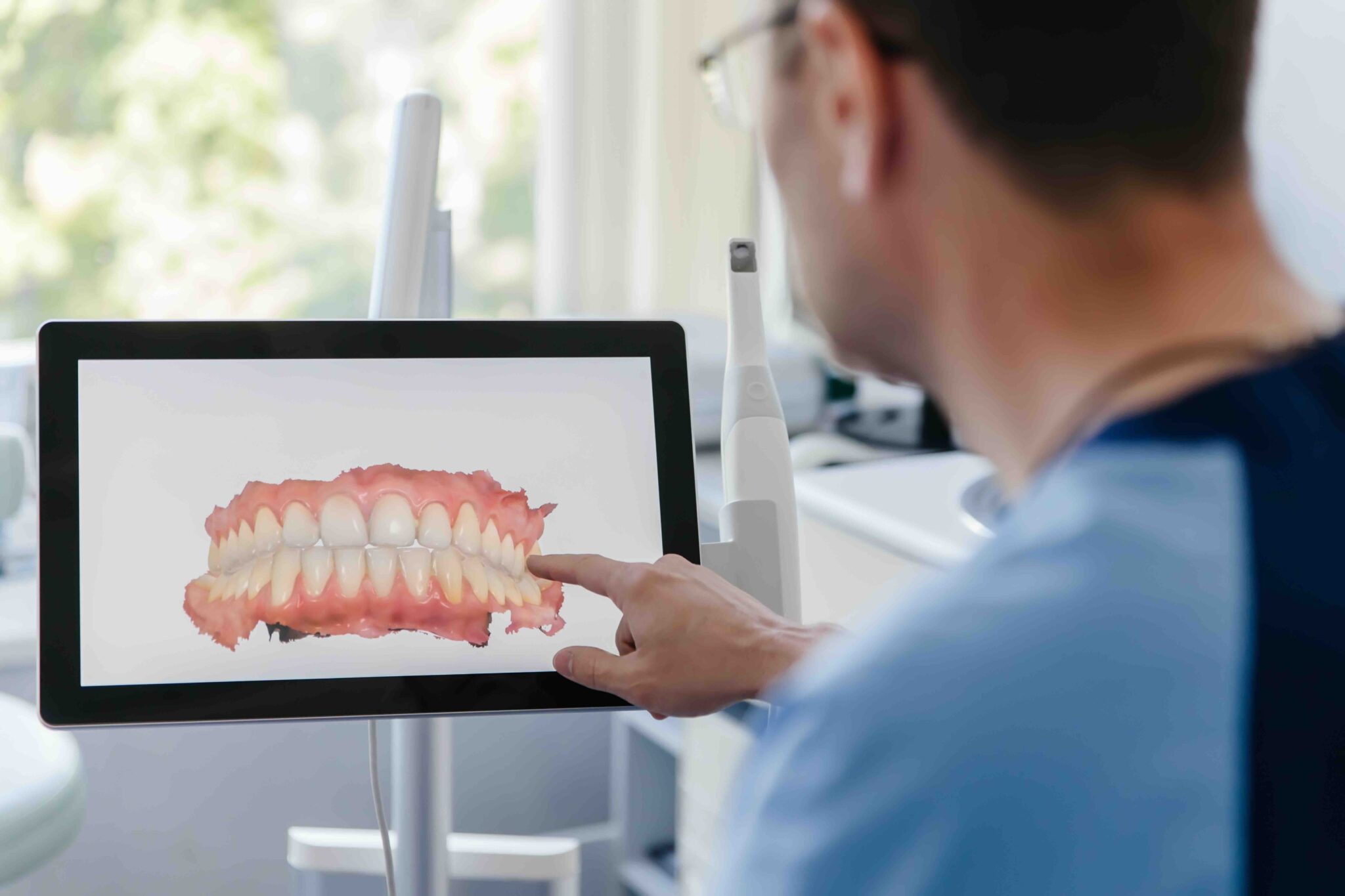
In many offices, crowns are completed over two visits. At the first appointment, the tooth is prepared and a temporary crown is placed. At the second, the final crown is tried in, adjusted, and cemented. Some practices offer same-day crowns using in-office milling systems, which shortens the timeline but does not eliminate the need for a brief adjustment period.
The temporary phase often causes more inconvenience than people expect. Temporary crowns are functional, but they are not meant to be perfect long-term restorations. They may feel slightly bulkier or rougher, and patients are usually told to avoid sticky foods because temporaries can loosen. Then the final crown goes in, and there is a second round of adaptation as the tongue, bite, and surrounding gums get used to the finished restoration.
That is one reason recovery can feel longer than a single appointment suggests. The tooth has already been through preparation, then a provisional stage, then final cementation. Even when everything goes well, the tissues may need a little time to settle.
What is normal right after the procedure
Immediately after a crown appointment, numbness is often the most noticeable issue. Depending on the anesthetic used and the area treated, it may last a couple of hours or longer. During that window, patients sometimes accidentally bite the inside of the cheek or lip, especially after lower molar work. It is worth waiting until sensation returns before eating anything more substantial than a soft, non-hot snack.
Once the numbness wears off, mild soreness is common. The gum around the tooth may feel irritated from the dental instruments, retraction cord, suction, or simply having the mouth open for an extended time. The tooth itself may be sensitive to pressure, cold, or air for a few days. This tends to be more noticeable if the tooth still has a living nerve and had significant decay or a deep old filling underneath.
Jaw tenderness is another frequent complaint, particularly in patients who already clench or have TMJ symptoms. A long appointment can leave the muscles feeling tired, much like holding any joint open in one position too long. That kind of soreness usually improves quickly.
What usually surprises people is how subtle bite discrepancies can feel enormous. A crown that is only slightly high may not seem like a big difference on paper, yet in the mouth it can feel like the tooth is taking every chewing force first. Patients often describe it as “hitting before the others” or “feeling taller.” That deserves attention, because an unbalanced bite can keep a tooth sore and make the recovery drag on unnecessarily.
A realistic recovery timeline
Most crown recoveries follow a fairly predictable pattern, although there are exceptions:
- First 24 hours: numbness fades, mild soreness or gum tenderness is common, and chewing on that side may feel awkward.
- Days 2 to 5: the bite becomes easier to judge, temperature sensitivity often starts to decrease, and the gumline may still look a little irritated.
- End of week 1: many patients feel close to normal if the bite is correct and the tooth did not have pre-existing nerve irritation.
- Weeks 2 to 4: any lingering awareness of the crown should continue to fade, though cold sensitivity can persist a bit longer in some vital teeth.
- Beyond 4 weeks: ongoing pain, worsening sensitivity, or a bite that still feels wrong deserves a dental follow-up.
Patients sometimes worry that they can still “feel” the crown after several days. Feeling a new restoration is not the same as having a problem. The tongue is remarkably sensitive. Even a well-made crown can attract attention at first simply because it is new. What matters is whether that awareness steadily fades or whether it is paired with pain, sharp pressure, or persistent chewing difficulty.
Eating, drinking, and getting back to normal routines
Food choices can make the first phase of recovery either smooth or frustrating. Right after the procedure, soft foods are your friend. Yogurt, eggs, pasta, rice, soup that is warm rather than hot, smoothies sipped carefully once numbness is gone, and softer proteins tend to be well tolerated. Crunchy bread, hard nuts, popcorn kernels, caramel, and very sticky candy are poor choices early on, especially if you still have a temporary crown.
Cold sensitivity varies widely. Some patients drink iced water the same day without a problem. Others notice zingers from cold beverages for a week or two. Heat sensitivity is less common, but if a tooth reacts strongly to hot drinks after a crown, that can be more concerning and should be mentioned to your dentist.
Work and daily activities usually resume the same day or the next. Crown placement is not like oral surgery. You generally do not need bed rest or major downtime. Still, there is a practical difference between being technically able to work and feeling eager to tackle a packed schedule. If local anesthesia leaves you feeling off, if your jaw is sore, or if you had a longer restorative visit, a lighter evening often makes sense.
Patients in Los Angeles commonly ask about coffee, workouts, and dining out because life here moves fast. Coffee is usually fine once numbness is gone, but a very hot drink on a freshly treated tooth can be uncomfortable. Exercise is generally acceptable unless your dentist gives a specific restriction, though if your mouth is still numb or your jaw feels tired, waiting until later in the day is often wiser than heading straight from the office to a high-intensity class.
Temporary crowns need a different kind of caution
Temporary crowns deserve their own discussion because recovery during this stage is less about healing and more about avoiding disruption. A temporary is held in place with provisional cement, which is intentionally easier to remove later. That means sticky foods, gum, chewy candy, and aggressive flossing can dislodge it.
If a temporary comes off, it is not always an emergency in the middle of the night, but it does need prompt attention. The prepared tooth underneath can be sensitive and vulnerable. Call your dental office for guidance. In a city where schedules are packed and commutes are unpredictable, patients sometimes put this off, but that can create more discomfort and make the final fit less predictable if the tooth shifts.
Flossing technique matters during the temporary phase. Instead of snapping floss up and down and then pulling it back out the way you usually might, many dentists recommend sliding the floss through and pulling it out from the side. That simple adjustment reduces the chance of lifting the temporary.
Why the bite matters so much
If there is one factor that most consistently separates an easy crown recovery from an annoying one, it is the bite. A crown that is too high does not always cause dramatic pain right away. Sometimes it shows up as a dull soreness when chewing, a bruised feeling at the tooth, a headache on one side, or a sense that your teeth no longer come together evenly.
People often hesitate to call because they think they should “give it time.” Some adjustment is normal. A truly high bite usually does not improve by waiting. In fact, continued heavy contact can inflame the ligament around the tooth, making the area more tender each day. A quick bite adjustment in the office can make a major difference, often within 24 to 48 hours.
This is especially relevant for patients who grind their teeth. Even a minor high spot can become a bigger issue when nighttime clenching adds repeated force. In those cases, dentists may also discuss a night guard, particularly if the crown is on a back tooth that takes strong occlusal load.
Sensitivity versus warning signs
One of the harder parts of recovery is figuring out what belongs in the normal range and what signals a problem. Mild tenderness, slight gum irritation, and temporary sensitivity to cold often settle down on their own. Persistent or escalating symptoms are different.
Call your dentist if you notice any of the following:
- Pain that gets worse instead of better after the first few days.
- A bite that feels high or uneven, especially if chewing causes a sharp or bruised sensation.
- Strong lingering sensitivity to hot or cold that lasts well beyond the sip or bite.
- Swelling, pus, or a bad taste, which can suggest infection or gum trouble.
- A loose crown or one that comes off, even if the tooth is not hurting much.
I have seen patients try to self-diagnose online and wait weeks with a high bite, only to come in with a tooth that is much more inflamed than it needed to be. On the other hand, I have also seen patients alarmed by a little cold sensitivity that faded exactly as expected. The pattern matters more than any single moment. Gradual improvement is reassuring. Worsening symptoms deserve attention.
Recovery is not the same after every type of crown case
A crown placed on a tooth after root canal treatment often recovers differently from a crown placed on a vital tooth. Once the nerve inside a tooth has been removed, classic hot and cold sensitivity should not be the issue. If pain occurs in that setting, the dentist may look more closely at bite pressure, surrounding gum tissues, the root area, or whether there is another source such as a neighboring tooth.
By contrast, a vital tooth can remain more reactive after preparation. Sometimes the nerve settles down quickly. Sometimes it takes longer, especially if the decay was deep or the tooth had a history of intermittent sensitivity before the crown. That does not automatically mean the crown failed. It means the tooth had a lot going on before the restoration was ever placed.
Cracked teeth are another special category. A crown is often used to hold the tooth together and reduce pain on biting. Many cracked teeth improve significantly after crowning, but the pre-treatment symptoms can muddy the recovery picture. If the crack extended deeper than initially apparent, symptoms may persist despite proper crown placement. That is one of the frustrating edge cases in restorative dentistry. The crown can be the right treatment and still not produce a perfectly predictable response if the original damage is severe.
Gum healing around the crown margin
Patients often focus on the tooth and forget about the gumline, yet a great deal of early crown discomfort comes from the soft tissue around the restoration. The gum may look a little red or puffy for a few days. This can happen because of impression material, retraction techniques used to expose the margin, or simply the manipulation involved in fitting the crown accurately.
Gentle brushing is important here. Some people avoid Dental Crowns Los Angeles CA the area because it feels tender, but plaque buildup will irritate the gum further. A soft-bristled brush, careful flossing once your dentist says it is appropriate, and warm saltwater rinses if recommended can help the Dental Crowns Los Angeles CA tissue calm down.
If the gum remains chronically inflamed around a crown, the issue may be hygiene-related, but it can also point to crown contour or margin problems. A crown that is difficult to clean, bulky at the gumline, or trapping food will not become more comfortable just by waiting. That is another reason follow-up matters when something feels persistently off.
Los Angeles lifestyle factors that can shape recovery
Patients seeking Dental Crowns Los Angeles CA often want treatment that fits a demanding schedule. That is understandable. Many people are coordinating appointments around long commutes, on-camera work, client meetings, or family logistics. The temptation is to treat crown placement like a quick errand. While the procedure itself may be efficient, the first few days still require some common-sense flexibility.
If you know you grind your teeth during stressful weeks, that can affect how the crown feels after placement. If you live on iced coffee, sparkling water, or takeout eaten quickly between meetings, the tooth may remind you that recovery is still underway. If you are heading from the dental office straight to a social event, remember that numb lips, altered speech from anesthesia, or temporary crown tenderness may be more noticeable than you expect.
There is also a cosmetic expectation in Los Angeles that deserves honesty. Many patients want crowns that look flawless under bright light and close scrutiny. That is achievable in many cases, but shade matching, translucency, and symmetry can require minor refinements. If a front crown looks slightly unfamiliar at first, that does not always mean it was done poorly. Natural teeth have texture, asymmetry, and variation too. The best cosmetic results usually balance beauty with function rather than chasing an unnaturally perfect, flat-white look.
How dentists troubleshoot a crown that does not feel right
When a patient returns saying a crown feels “off,” the evaluation is usually methodical. The dentist checks the bite with articulating paper, examines the contact with neighboring teeth, looks at the gum tissue, asks about hot and cold sensitivity, and reviews the tooth’s history. Sometimes the fix is simple, such as smoothing a small high spot. Sometimes the issue is food packing from a weak contact. Occasionally a crown needs to be remade if the contour, fit, or appearance is not acceptable.
More rarely, the tooth itself changes course after the crown is placed. A nerve that was already irritated may continue to inflame and eventually require root canal treatment. Patients often interpret that as the crown causing the problem. In reality, the crown may have been placed on a tooth that was already near the edge. That is not a satisfying answer when you were hoping the treatment would end the problem, but it is part of honest dentistry. Teeth do not always follow a script.
This is where communication matters. The best outcomes usually happen when patients report specific symptoms clearly. Saying “it hurts” is a starting point. Saying “it feels sharp only when I bite on something firm” or “cold lingers for 20 seconds” gives the dentist a much clearer path.
Protecting your investment over the long term
Once the recovery phase is over, a crown should not require constant attention. It should function like a stable, comfortable part of your mouth. Longevity depends on several factors, including the quality of the underlying tooth structure, oral hygiene, bite forces, and whether you grind or clench.
Crowns can last many years, but they are not indestructible. Cement can fail, porcelain can chip, decay can form at the margin if plaque control is poor, and excessive force can fracture even strong materials. Brushing twice daily, cleaning between the teeth, keeping regular dental visits, and wearing a night guard if prescribed do more for crown longevity than any marketing language about premium materials.
Patients sometimes assume that once a tooth has a crown, it is protected from all future problems. It is protected from some, not all. The root is still real tooth structure. The gum around it still needs care. The margins still need to stay clean. A crown is excellent rehabilitation, but it is not immunity.
What most patients can expect
For the average patient, crown recovery is manageable. The first day may bring numbness, minor soreness, and a little chewing hesitation. The next several days are often about paying attention to bite comfort and avoiding the kind of food that makes a tender tooth work harder than necessary. By the end of the first week, many people are already forgetting which tooth was treated, and that is the goal.
If something does not improve, trust that instinct and follow up. A small bite adjustment or quick recheck can prevent a lot of unnecessary discomfort. Crowns are among the most useful tools in restorative dentistry, but success is not just about how the restoration looks in the chair. It is about how it feels on a Tuesday night over dinner, how it functions three weeks later, and whether it disappears into normal life the way a well-made dental restoration should.
For anyone researching Dental Crowns Los Angeles CA, recovery is worth asking about before treatment begins. Not because the process is usually difficult, but because understanding the normal course makes it much easier to spot the few situations that need extra attention. A crown should leave you stronger, more comfortable, and able to chew with confidence. The recovery period is simply the bridge that gets you there.
Simple Dental Vermont
Address: 8914 S Vermont Ave, Los Angeles, CA 90044
Phone number: +13239493000
FAQ About Dental Crowns Los Angeles CA
How much do crowns cost per tooth?
In the United States, a single dental crown typically costs between $800 and $2,500 per tooth without insurance. The ultimate out-of-pocket price depends heavily on the crown material, the location of the tooth, and whether you have dental insurance coverage.
What is the downside of crowns on teeth?
The primary downside of a dental crown is that the procedure permanently removes natural tooth enamel to shape the tooth for the cap.
Why do dentists push for crowns?
Dentists recommend crowns because a large filling cannot provide enough strength when a tooth loses a major portion of its structure or faces heavy chewing pressure.