Dental Crowns vs Veneers: Understanding the Difference
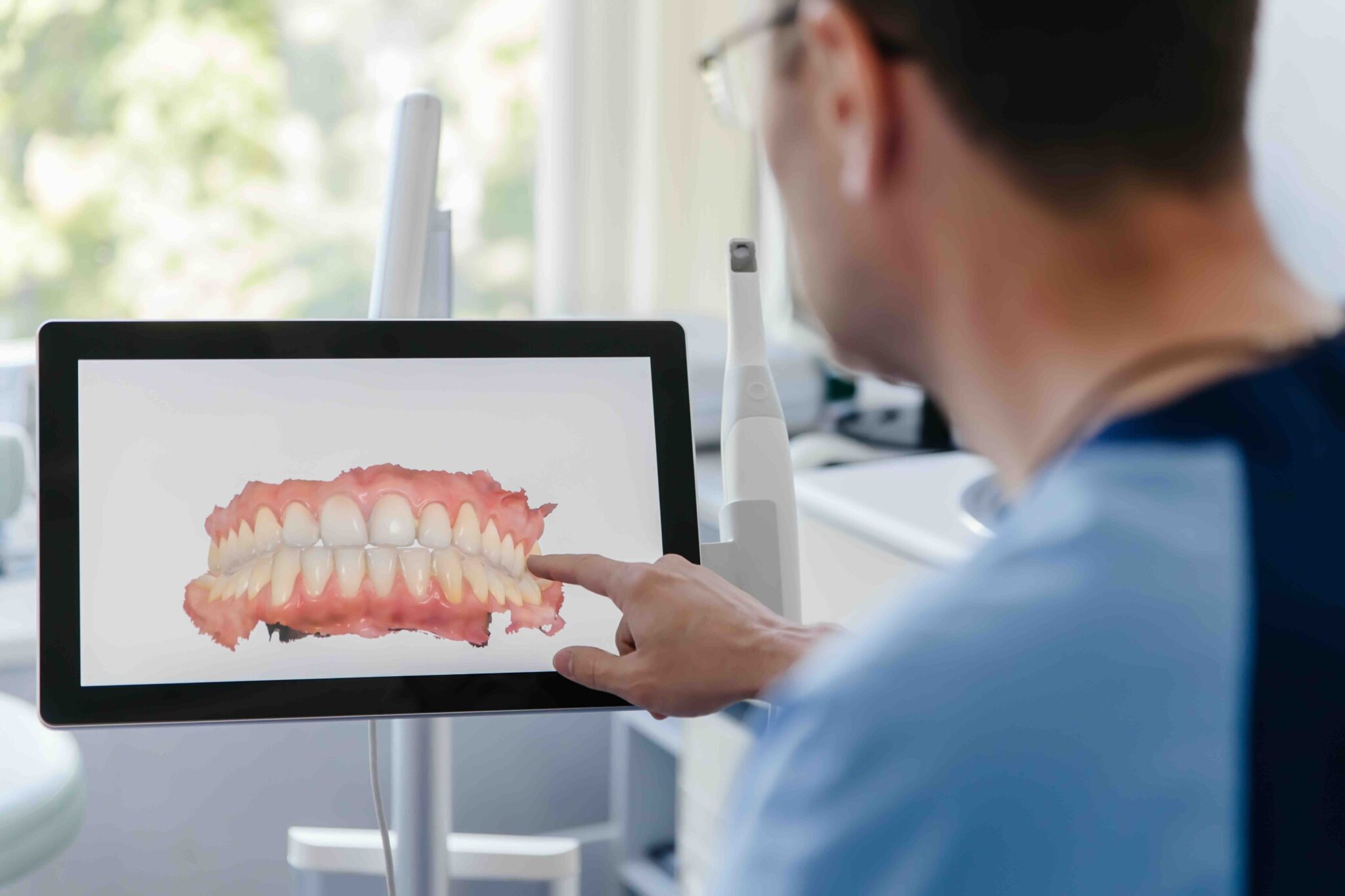
People often use the words "crown" and "veneer" as if they solve the same problem. They do overlap in one important way: both can improve the way a tooth looks. That is usually where the similarity ends. In practice, the choice between dental crowns and veneers is less about cosmetics alone and more about how much healthy tooth structure remains, how the tooth functions, and what kind of stress it handles every day.
This is why two people can walk into the same dental office asking for a "smile makeover" and leave with very different recommendations. One may be a good candidate for veneers because the teeth are healthy but stained, slightly uneven, or worn at the edges. Another may need Dental Crowns because an old filling has failed, a crack runs through the tooth, or there simply is not enough natural structure left to support a more conservative option.
If you are weighing crowns against veneers, the useful question is not which treatment is better in general. The better question is which treatment fits the condition of your teeth, your bite, your habits, and your expectations over the next ten to fifteen years.
What each treatment is really designed to do
A veneer is a thin shell, usually made of porcelain or a resin-based material, that covers the front surface of a tooth. It is mainly used to improve appearance. A veneer can change color, shape, length, and minor alignment issues without covering the entire tooth. Think of it as a refined cosmetic restoration that works best when the underlying tooth is still structurally sound.
A crown, by contrast, covers the entire visible portion of a tooth above the gumline. Dental Crowns are used when the tooth needs protection as much as improvement in appearance. A crown can restore a tooth that has been heavily filled, fractured, root canal treated, severely worn, or weakened by decay. It can also improve the shape and color, but strength is usually part of the reason it is chosen.
That difference in coverage matters. Veneers are conservative when they are placed on the right teeth, but they depend on a stable, healthy foundation. Crowns are more comprehensive, but they require greater reduction of the natural tooth because space has to be created around all surfaces.
Why the condition of the tooth matters more than the cosmetic goal
A patient may say, "I want my front tooth to look better," but the dentist is looking at a different set of questions. Is the tooth intact? Has it had trauma? Is there a large filling on the back? Does the person grind at night? Are the edges chipping because the bite is too heavy? Has the tooth darkened after a root canal?
These details are not minor. They determine whether a veneer will stay bonded reliably or whether the tooth would be safer with full coverage.
A useful real-world example is the discolored front tooth after an accident years earlier. From the outside, it may seem like a veneer is the obvious cosmetic fix. Sometimes it is. But if the tooth has already had root canal treatment and a substantial portion of internal structure is compromised, a crown may be the more predictable long-term choice. On the other hand, if the tooth is healthy and the issue is simply deep staining or slight shape irregularity, a veneer can preserve more natural enamel and still deliver an excellent result.
Dentistry tends to work best when the restoration matches the biology. Over-treating a healthy tooth is not ideal. Under-treating a damaged one is not ideal either.
The practical difference in how much tooth is removed
This is one of the clearest distinctions.
Veneers often require removal of a small amount of enamel from the front of the tooth, though the exact amount depends on the case. In some situations, especially when a tooth is slightly set back and needs to be brought forward visually, very little reduction may be needed. In others, more shaping is necessary to avoid a bulky appearance. The best veneer cases are usually those where there is enough enamel for a strong bond and the planned change is moderate rather than extreme.
Dental Crowns require reduction around the full circumference of the tooth and across the biting edge or chewing surface. That reduction creates room for the material so the crown is not oversized. Because a crown wraps the tooth, it is inherently a more invasive preparation than a veneer.
Patients often ask if this means veneers are always preferable because they preserve more natural tooth. Not always. Preserving tooth structure is important, but preserving weak or unstable tooth structure just to avoid a crown can create problems later. A tooth with a large crack or a massive old filling may not benefit from a minimally invasive approach if the remaining tooth is already compromised.
Appearance, and where veneers often shine
When purely aesthetic cases are selected well, veneers can be remarkably elegant. Porcelain veneers in particular can mimic the way natural enamel reflects and transmits light. They are often chosen for front teeth that are discolored, slightly misshapen, worn, or unevenly spaced. Because they cover only the visible front surface, they can create a very natural result when the underlying tooth position and bite are favorable.
This is why veneers are common in smile design cases. If someone has healthy teeth but wants to refine length, close small spaces, or brighten a smile that does not respond well to whitening, veneers may offer the most conservative route to a dramatic change.
Crowns can also look excellent, especially modern all-ceramic crowns placed by a skilled clinician and fabricated by a strong lab. In many cases, it is impossible for a casual observer to tell whether a front tooth has a crown or a veneer. Still, crowns become necessary for reasons beyond cosmetics, and the aesthetic result has to be balanced with strength and support.
A point that patients do not always hear early enough is this: the more dramatic the cosmetic change, the more planning matters. Very white shades, major changes in shape, or widening teeth to close gaps can all affect how natural the result appears. The restoration type is only one piece of the puzzle. The dentist's preparation design, the ceramist's skill, and the patient's facial features all matter.
Strength is not the same thing as durability in every situation
There is a common shorthand that crowns are "stronger" and veneers are "more delicate." That is partly true, but it can be misleading.
A properly bonded porcelain veneer on a healthy tooth can be very durable. Because it is bonded to enamel, the tooth-restoration complex can perform extremely well. Veneers are not flimsy ornaments. Many last well over a decade when they are placed on suitable teeth and the bite is managed carefully.
Crowns, meanwhile, are designed to protect teeth that need more structural support. They can handle significant forces, especially on back teeth, and they are often the more reliable option when a tooth is heavily restored or cracked. But a crown is not indestructible. Crowns can chip, loosen, decay at the margins, or fail if the underlying tooth fractures.
The person who clenches or grinds is a classic example of how context changes the answer. In a patient with strong parafunctional habits, veneers on front teeth may chip or debond if the bite is not carefully adjusted and protected with a night guard. A crown may still be indicated on a compromised tooth, but even crowns can fail under repeated heavy forces. Material choice, bite design, and protective appliances all become part of the treatment, not optional extras.
When a veneer makes sense, and when a crown is hard to avoid
This is where the decision usually becomes clearer. A veneer tends to be the better fit when the tooth is mostly intact and the main issue is cosmetic. A crown tends to be the better fit when the tooth needs reinforcement.
Here is a practical side-by-side comparison:
| Consideration | Veneer | Crown | |---|---|---| | Main purpose | Cosmetic improvement of front surface | Protection and restoration of the whole tooth | | Tooth reduction | Usually less | Usually more | | Coverage | Front of tooth, sometimes wrapping slightly around edges | Entire visible tooth above the gumline | | Best for | Healthy teeth with color, shape, or minor position issues | Teeth with large fillings, cracks, root canals, major wear, or structural loss | | Bonding support | Works best with strong enamel | Used when full coverage is needed, even if enamel is limited |
That chart is useful, but edge cases are where real judgment comes in. Consider the patient Dental Crowns with a front tooth that has a moderate chip and an old bonding repair that keeps failing. If the rest of the tooth is healthy and the bite is favorable, a veneer may be ideal. Now change one detail: the tooth also has a large internal defect after trauma, and most of the back of the tooth is filling material. Suddenly the case starts leaning toward a crown.
Dentistry is full of cases like that. One changed detail can shift the whole recommendation.
Cost, maintenance, and how patients actually live with them
Cost varies widely by region, material, and complexity, so exact numbers are best obtained locally. In many markets, veneers and all-ceramic crowns can be priced in a similar range per tooth, though crowns may cost more depending on the case. What patients sometimes miss is that the initial fee is only one part of the long-term picture.
A veneer that lasts 12 to 15 years on a healthy tooth may be an excellent value. A crown that prevents a cracked tooth from splitting and needing extraction can also be an excellent value. The right treatment is often the one that reduces future complications, not just the one with the lower starting price.
Maintenance is similar in some ways. Both require brushing, flossing, regular checkups, and attention to the gumline. Neither treatment protects you from decay if plaque accumulates at the margins. Neither treatment means you can ignore grinding or chew ice without consequences. The restoration may be porcelain, but the tooth underneath is still biological tissue.
Patients also sometimes assume that once a tooth has a crown or veneer, it is permanently "done." That is not how restorative dentistry works. These restorations are durable, not eternal. At some point, many will need repair or replacement. Margins can stain, gums can recede, porcelain can chip, and the supporting tooth can change over time.
Materials influence the outcome, but they do not override diagnosis
Porcelain veneers are favored for aesthetics and stain resistance. Composite veneers cost less in many settings and can often be completed more quickly, but they tend to be more prone to staining and wear over time. They can still be a very reasonable option in selected cases, especially when cost matters or when a reversible, conservative trial approach is useful.
For Dental Crowns, material selection depends on where the tooth is, how much force it receives, and what aesthetic demands exist. All-ceramic crowns are common for front teeth because they can look highly natural. In back teeth, different ceramic systems may be selected for strength. Porcelain fused to metal crowns are still used in some cases, though all-ceramic options are now very common.
Patients sometimes arrive convinced that a specific material is the key decision. In reality, the diagnosis comes first. The best ceramic in the world cannot make a veneer appropriate for a tooth that really needs full coverage. Likewise, putting a crown on a pristine tooth just because crowns are strong is not good treatment planning.
The role of bite, habits, and the teeth you do not notice
Front teeth get most of the attention because they are visible, but the back teeth and the bite pattern often determine how successful front restorations will be.
A patient with edge-to-edge bite, heavy overbite, clenching, or signs of erosion is putting very different forces on front teeth than a patient with a stable bite and no wear habits. That matters because veneers, in particular, can be vulnerable if they are asked to function like protective helmets on teeth that are already under excessive load.
This is one reason a thorough dentist may spend time discussing a night guard, signs of acid reflux, nail biting, or the habit of opening packages with the teeth. These may seem unrelated to cosmetics, but they are often the hidden reason restorations fail earlier than expected.
It is also why a dentist may suggest orthodontics before veneers in some cases. If the teeth are crowded, flared, or rotated significantly, forcing an aesthetic correction with restorative material alone can require aggressive tooth reduction or create bulky contours. Small alignment changes first can make the final restoration more conservative and more stable.
What the treatment process usually feels like
The patient experience differs a bit between the two treatments, though both usually involve consultation, planning, preparation, impressions or digital scans, temporary restorations in many cases, and final placement.
With veneers, planning often focuses intensely on smile design. Shade, shape, edge length, and symmetry matter. Mock-ups and trial smiles can be especially helpful because small changes on front teeth are highly visible. Patients tend to notice a half millimeter in this area more than they expect.
With crowns, especially when the tooth is already broken down, part of the appointment may feel more restorative than cosmetic. Old decay or existing filling material may need to be removed, the tooth may need buildup, and the final design has to respect both function and appearance.
Some patients are surprised that the temporary phase can be informative. Temporaries can reveal whether a tooth feels too long, whether speech is affected, or whether the patient likes the overall shape. That feedback can improve the final result, especially in front teeth.
Questions worth asking before you commit
A good consultation should leave you understanding not just what is being recommended, but why. If you feel you are being sold a cosmetic package without a clear explanation of the underlying tooth condition, pause and ask more questions.
These are useful things to ask:
- Is the tooth healthy enough for a veneer, or does it need full coverage for strength?
- How much natural tooth structure will need to be removed with each option?
- What is the expected lifespan in my specific bite and with my habits?
- Would whitening, bonding, orthodontics, or no treatment be reasonable alternatives?
- Will I need a night guard to protect the result?
Those questions often shift the conversation from appearance alone to long-term predictability, which is where the best decisions usually come from.
Situations where the "obvious" answer is often the wrong one
There are a few patterns that come up repeatedly.
A patient wants veneers because the teeth are short and worn, but the real issue is active grinding. Restoring shape without addressing the cause can lead to repeated failure.
Another patient assumes a dark tooth automatically needs a crown. Sometimes internal bleaching, bonding, or a veneer can solve the problem more conservatively.
A third patient is told they need multiple crowns for cosmetic reasons, when the teeth are actually sound and could potentially be treated with veneers or even orthodontics and whitening. This does not mean crowns are overused everywhere, but it does mean the treatment plan should make structural sense, not just aesthetic sense.
Then there is the opposite mistake: trying to preserve every bit of tooth at all costs when the tooth is already heavily compromised. A crown can be the more conservative decision in the long run if it prevents fracture and tooth loss.
How dentists usually make the final call
The recommendation is rarely based on one factor. It is more like a weighted decision. Structural loss, existing restorations, enamel quality, color changes, tooth position, gum display, bite forces, age, and patient expectations all play a role.
A young patient with intact enamel and minor cosmetic concerns often leans toward the most conservative option possible. A middle-aged patient with old large fillings, cracks, and wear may be better served by a more protective restoration. The front teeth may even vary within the same mouth. One tooth may need a crown, while the one next Dental Crowns to it is a better veneer candidate.
That is normal. Treatment planning is not neat. It is tailored.
The difference that matters most
If you strip away the marketing language, the core distinction is simple. Veneers are mainly for changing how a healthy tooth looks. Dental Crowns are mainly for restoring and protecting a tooth that needs more than cosmetic enhancement.
Both can look beautiful. Both can last many years. Both can fail early if the diagnosis is wrong, the bite is ignored, or the patient is a poor candidate for the chosen approach.
The best result usually comes from a dentist who is willing to be conservative when the tooth is healthy and decisive when the tooth is weak. That balance is where good restorative dentistry lives. If your tooth is largely intact and your goals are cosmetic, veneers may offer a refined, enamel-preserving solution. If your tooth is cracked, heavily filled, root canal treated, or structurally compromised, a crown is often the safer and more durable answer.
The right question is never just, "Which looks better?" It is, "Which restoration gives this specific tooth the best future?"
Simple Dental Vermont
Address: 8914 S Vermont Ave, Los Angeles, CA 90044
Phone number: +13239493000
FAQ About Dental Crowns
How much do crowns cost per tooth?
In the United States, a single dental crown typically costs between $800 and $2,500 per tooth without insurance. The ultimate out-of-pocket price depends heavily on the crown material, the location of the tooth, and whether you have dental insurance coverage.
What is the downside of crowns on teeth?
The primary downside of a dental crown is that the procedure permanently removes natural tooth enamel to shape the tooth for the cap.
Why do dentists push for crowns?
Dentists recommend crowns because a large filling cannot provide enough strength when a tooth loses a major portion of its structure or faces heavy chewing pressure.